Understanding Water Pressure: PSI Guidelines for Different Surfaces
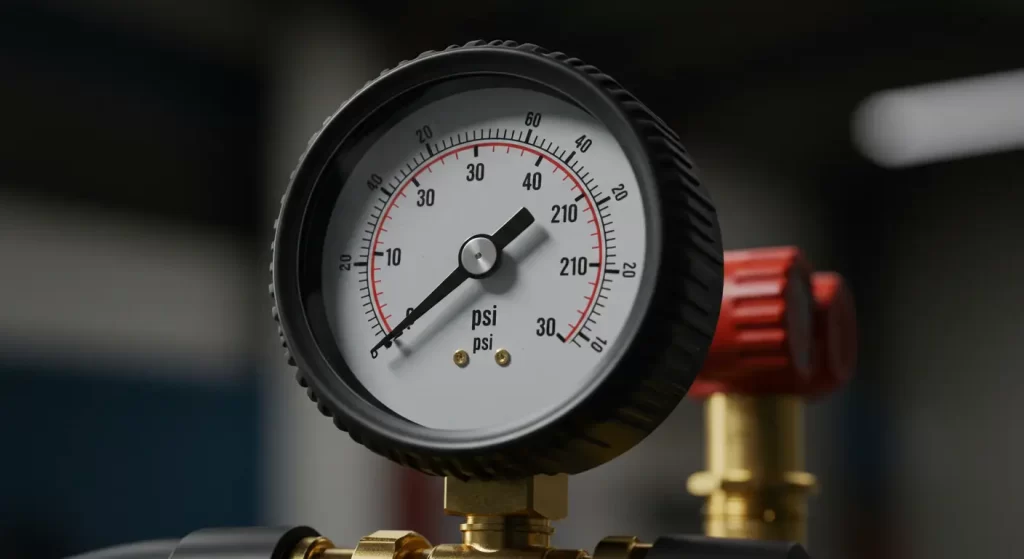
Understanding Water Pressure: PSI Guidelines for Different Surfaces Guy Roberts 14 August, 2022 Pressure Washing When it comes to professional pressure washing and cleaning, understanding the right water pressure settings is crucial for achieving optimal results whilst protecting your property. Melbourne homeowners and business owners often wonder about the mysterious world of PSI (pounds per square inch) ratings and how they affect different surfaces around their house and commercial areas. What is PSI and Why Does It Matter? PSI measures the force of water expelled from your power washer equipment. Too little pressure won’t effectively remove dirt, grime, mildew, and stubborn buildup, whilst excessive pressure can cause irreversible damage to delicate surfaces. Professional pressure washing and cleaning services understand these nuances, ensuring customer satisfaction through proper technique and equipment selection. The key to successful cleaning lies in matching the appropriate PSI level to each specific surface type. This knowledge separates amateur attempts from professional jet cleaning results that restore your property’s original beauty. Low-Pressure Applications (500-1500 PSI) Soft Washing for Delicate Surfaces Soft washing techniques utilise lower pressure settings combined with specialised cleaning solutions to tackle sensitive areas. This gentle approach is perfect for: Painted Surfaces and Exterior Walls: Weatherboard homes, rendered walls, and recently painted surfaces require careful attention. Using 500-800 PSI prevents paint damage whilst effectively removing dirt and organic growth. Outdoor Deck Maintenance: Timber decking, particularly older or softwood varieties, can be easily damaged by high pressure. A gentle 600-1000 PSI setting with appropriate cleaning solutions removes debris, mildew, and surface stains without gouging the wood. Windows and Glass Areas: When cleaning around windows during whole-house washing, 300-500 PSI prevents glass breakage whilst removing accumulated grime and environmental contamination. Medium-Pressure Applications (1500-2500 PSI) Versatile Cleaning for Common Areas This pressure range handles most residential cleaning tasks effectively: Patio and Outdoor Entertainment Areas: Stone, brick, and composite patio surfaces respond well to medium pressure washing. This setting removes organic buildup, food stains, and weather-related discolouration without damaging joints or surface textures. Vehicle Cleaning: Cars, boats, and recreational vehicles require careful pressure management. 1200-1800 PSI effectively removes road grime and salt buildup whilst protecting paint and trim components. Vinyl Siding: Modern vinyl exterior walls can handle moderate pressure levels. This range removes mould, mildew, and environmental staining whilst maintaining the material’s integrity and colour. High-Pressure Applications (2500-4000 PSI) Heavy-Duty Cleaning for Robust Surfaces Industrial and commercial applications often require higher pressure settings: Concrete Driveway Restoration: Concrete surfaces are incredibly durable and can withstand high-pressure cleaning. This level effectively removes oil stains, tyre marks, rust stains, and years of accumulated grime from driveways and footpath areas. Commercial and Industrial Sites: Warehouses, factories, and commercial buildings often feature robust concrete and metal surfaces that benefit from high-pressure cleaning. This approach removes industrial buildup, graffiti, and heavy contamination. Heavy Equipment Cleaning: Construction machinery, agricultural equipment, and industrial tools require powerful cleaning to remove caked-on dirt, grease, and operational residue. Surface-Specific PSI Guidelines Understanding specific surface requirements ensures professional results: Masonry and Stone Surfaces Natural Stone: 1200-2000 PSI (varies by stone type) Brick Walls: 1500-2500 PSI Concrete Blocks: 2000-3000 PSI Timber and Composite Materials Hardwood Decking: 800-1200 PSI Softwood Surfaces: 500-800 PSI Composite Decking: 1000-1500 PSI Metal Surfaces Painted Metal: 1000-1500 PSI Raw Steel: 2500-3500 PSI Aluminium: 1200-2000 PSI Professional Tips for Optimal Results Distance and Angle Considerations Water pressure impact changes dramatically with distance and spray angle. Professional power cleaning technicians understand that: Distance: Standing closer increases effective pressure on the surface Spray Angle: Wider angles distribute pressure across larger areas Nozzle Selection: Different nozzle types create varying spray patterns and pressure concentrations Temperature and Cleaning Solutions Hot water cleaning significantly improves cleaning effectiveness, allowing lower pressures to achieve superior results. Professional cleaning solutions enhance cleaning power whilst reducing the pressure required for stubborn stain removal. Safety Considerations High-pressure water can cause serious injury. Professional services prioritise safety through: Proper protective equipment Understanding ricochet patterns Recognising surface limitations Environmental awareness during cleaning operations When to Choose Professional Services While understanding PSI guidelines is valuable, several factors make professional pressure washing services the smart choice: Equipment Quality: Professional-grade power washers offer precise pressure control and consistent performance that domestic units cannot match. Surface Assessment Skills: Experienced technicians quickly identify surface types and select appropriate pressure settings, preventing costly damage. Comprehensive Cleaning Solutions: Professional services combine proper pressure settings with effective cleaning solutions for superior results. Insurance and Liability: Professional services carry comprehensive insurance, protecting property owners from potential damage claims. Melbourne’s Unique Cleaning Challenges Melbourne’s climate presents specific challenges requiring adapted pressure washing techniques: Seasonal Mould Growth: Humid conditions promote mildew and algae growth, requiring specific pressure and solution combinations for effective removal. Environmental Contamination: Urban pollution, salt air (for coastal properties), and seasonal debris accumulate differently, affecting pressure requirements. Heritage Considerations: Many Melbourne properties feature historical elements requiring specialised low-pressure techniques to preserve architectural integrity. Achieving Long-Lasting Results Proper pressure selection contributes to longer-lasting clean surfaces: Appropriate Pressure: Prevents surface damage that accelerates future contamination Complete Debris Removal: Thorough cleaning at correct pressures removes contamination completely Surface Preparation: Proper cleaning prepares surfaces for protective treatments and maintenance Conclusion Understanding water pressure guidelines empowers property owners to make informed decisions about exterior cleaning. However, the complexity of surface types, environmental factors, and safety considerations often make professional pressure washing services the most effective choice. Professional cleaning teams combine technical knowledge, appropriate equipment, and extensive experience to deliver exceptional results whilst protecting your valuable property investment. Whether addressing routine maintenance or tackling challenging restoration projects, proper pressure selection remains fundamental to achieving outstanding cleaning outcomes. For Melbourne property owners seeking professional pressure washing and cleaning services, choosing experienced providers ensures your surfaces receive appropriate treatment for optimal results and longevity. Make Appointment Now Contact Us Today Make appointment Now Follow Us On Facebook Twitter Youtube
Pressure Washing Vs. Soft Washing: Choosing the Right Method for Your Home’s Exterior
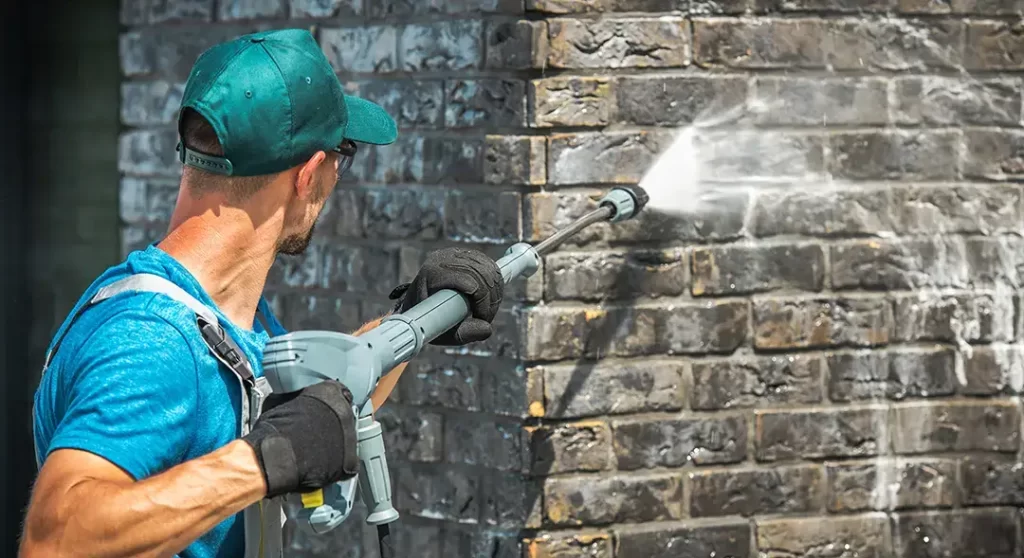
Choosing the Right Method for Your Home’s Exterior Are you looking to refresh your home’s exterior? Both pressure washing and soft washing offer effective cleaning solutions, but they’re not one-size-fits-all. Understanding the key differences between these methods will ensure you choose the right approach for the job. Method: Utilizes high-pressure water (3,000-8,000 PSI) to blast away dirt, grime, mould, and mildew. Suitable for: Tough, non-porous surfaces like concrete driveways, patios, sidewalks, and brick walls. Benefits: Fast and effective cleaning, ideal for removing stubborn stains and heavily soiled areas. Drawbacks: High pressure can damage siding, paint, windows, and landscaping if not used properly. Not recommended for delicate surfaces. Soft Washing: Gentle Clean for Delicate Surfaces Method: Employs a low-pressure stream of water combined with specially formulated cleaning solutions. The solutions break down dirt and contaminants, allowing for a gentle rinse. Suitable for: Roofs, vinyl siding, stucco, decks, fences, and other delicate exterior surfaces. Benefits: Safer for fragile materials, effective in eliminating mould, algae, and mildew growth. Often leaves a longer-lasting clean. Drawbacks: May require longer cleaning time compared to pressure washing. Might not be suitable for removing deeply embedded dirt or heavy stains. Choosing the Right Method Surface Material: Pressure washing is ideal for concrete, stone, and brick. Opt for soft washing for vinyl siding, wood, asphalt shingles, and painted surfaces. Level of Grime: Heavily soiled concrete or stone patios can handle pressure washing. For mold or mildew on your roof, soft washing is the safer option. Safety First Pressure Washing: Always wear protective gear like goggles and gloves. Maintain a safe distance from the spray nozzle and be cautious around windows, plants, and electrical wiring. Soft Washing: While gentler, some cleaning solutions might contain bleach or other chemicals. Wear gloves and eye protection, and follow the manufacturer’s instructions for safe handling and application. Considering Professional Help Both pressure washing and soft washing require proper technique and equipment. If you’re unsure about the best method for your home or lack the experience, consider hiring a professional cleaning service. They can assess your specific needs and recommend the safest and most effective cleaning approach. Maintaining Your Home’s Beauty Regular cleaning, whether through pressure washing or soft washing, helps maintain your home’s exterior beauty and value. By understanding the differences between these methods, you can make an informed decision and Make Appointment Now Contact Us Today Make appointment Now Follow Us On Facebook Twitter Youtube